

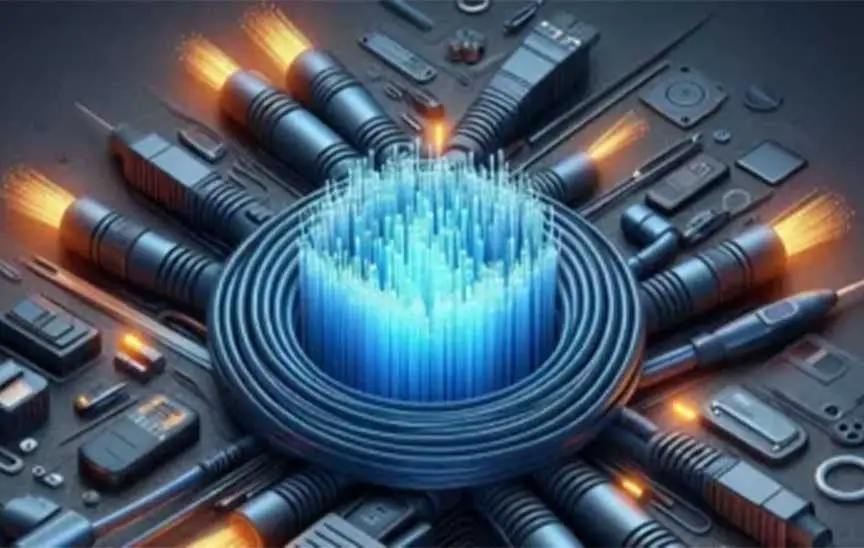
بررسی جامع ویژگیها، فناوریها و عملکرد تجهیزات فیبر نوری کمافت در شبکههای نوری نسل جدید
فیبرهای نوری کمافت (Ultra-Low-Loss Optical Fibers) به عنوان یکی از اجزای کلیدی زیرساختهای مخابراتی نسل آینده، نقش تعیینکنندهای در بهبود ظرفیت انتقال، افزایش فاصله بدون تقویت، و کاهش مصرف انرژی شبکه دارند. تضعیف سیگنال نوری که ناشی از مکانیسمهای جذب، پراکندگی و خمشی است، مهمترین محدودیت فیزیکی در طراحی و بهرهبرداری از شبکههای نوری با مقیاس بزرگ محسوب میشود. این مقاله با رویکردی تحلیلی، به بررسی منشأهای فیزیکی تضعیف، فناوریهای نوین ساخت فیبرهای کمافت، پارامترهای عملکردی و کاربردهای آنها در شبکههای مخابراتی پیشرفته شامل سیستمهای WDM، لینکهای Long-Haul، شبکههای زیر دریایی و مراکز داده میپردازد.
پیشرفت شتابان در معماری شبکههای مخابراتی، بهویژه افزایش تقاضا برای ظرفیتهای ترابیتی، لایه انتقال را با چالشهای جدی در زمینه تضعیف، پراکندگی و مدیریت غیرخطیها مواجه کرده است. در چنین ساختاری، فیبرهای نوری کمافت با کاهش چشمگیر میزان تضعیف در طول موجهای مخابراتی، بستر اصلی برای پیادهسازی شبکههای Long-Haul، Ultra-Long-Haul، FTTH، Data Center Interconnect (DCI) و کابلهای زیردریایی نسل جدید به شمار میآیند.
جذب نوری ناشی از دو منبع اصلی است:
در فیبرهای ULL، مقدار OH⁻ به سطح زیر 0.02 ppm کاهش مییابد که باعث افت کمتر از 0.17 dB/km در 1550 nm میشود.
مهمترین عامل افت در طول موجهای زیر 1600 nm است و از نوسانات چگالی در ساختار شیشه ناشی میشود.
افت ریلی متناسب با λ⁴−1 است و با کاهش دمای فرآیند ساخت و افزایش خلوص سیلیکا قابل کاهش است.
بهدلیل وجود نقصهای ساختاری در مقیاس میکرونی؛ با بهبود فرآیند کشش فیبر (Fiber Drawing) به حداقل میرسد.
افت ناشی از شعاع خمیدگی کم؛ فیبرهای کمافت با طراحی پروفایل ضریب شکست “Trench-Assisted” تا 20 برابر مقاومترند.
افت ناشی از تنشهای مکانیکی و ناهموارهای روکش؛ با توسعه Dual-Layer Coatings و روکشهای UV-Cured به حد قابلتوجهی کاهش یافته است.
در تولید نسل جدید ULL، کنترل دقیق اندازه نانوساختارها و کاهش فلuctuationهای چگالی منجر به کاهش چشمگیر پراکندگی ریلی شده است.
پروفایلهای پیشرفته شامل:
این طراحیها باعث کاهش غیرخطیهایی مانند Kerr Effect و SPM/XPM شده و ظرفیت WDM را افزایش میدهند.
فیبرهای زیر دریایی نسل جدید به مقادیر ≤0.145 dB/km نیز رسیدهاند.
افزایش Aeff باعث کاهش اثرات غیرخطی کانالهای DWDM میشود. فیبرهای کمافت مدرن Aeff بین 80 تا 120 µm² دارند.
فیبرهای مقاوم در برابر ماکروبندینگ با شعاع خم کمتر از 10 mm عملکرد قابل قبول ارائه میدهند.
کاهش افت باعث کاهش تعداد EDFA و Raman Amplifier و در نتیجه کاهش CAPEX و OPEX میشود.
فیبرهای ULL باعث کاهش تعداد تقویتکنندههای تکرارگر در مسیرهای هزار کیلومتری شده و بهرهوری انرژی سیستم را بهبود میدهند.
فیبرهای کمافت با Aeff بالا، مناسب برای مدولاسیونهای:
هستند.
اگرچه تضعیف در لینکهای کوتاهبرد کماهمیتتر است، اما کاهش پراکندگی و بهبود SNR در نرخهای 400G، 800G و 1.6T اهمیت دارد.
فیبرهای نوری کمافت با بهرهگیری از مواد فوقخالص، روشهای پیشرفته رسوبدهی و طراحیهای بهینه ضریب شکست، توانستهاند محدودیتهای بنیادی انتقال نوری را به حداقل برسانند. این نسل از فیبرها زیرساخت اصلی شبکههای آینده شامل شبکههای ترابیتی، سیستمهای زیر دریایی، انتقال Coherent، DWDM، و مراکز داده پیشرفته را تشکیل میدهند. کاهش تضعیف، افزایش مساحت مؤثر و تحمل بالا در برابر خمیدگی، آنها را به یکی از حیاتیترین عناصر توسعه شبکههای مخابراتی نسل آینده تبدیل کرده است.
Introduction Fiber optic technology has revolutionized telecommunications by providing high-speed data transmission over long distances with minimal loss. One of the critical aspects of fiber optic technology is the attenuation or loss that occurs as light signals travel through the fiber. Low loss fiber optic equipment is designed to minimize this attenuation, thereby enhancing the efficiency and reliability of data transmission. This article explores the significance, impact, and benefits of low loss fiber optic equipment in modern telecommunications.
Understanding Fiber Optic Loss Loss in fiber optics refers to the reduction in power of the light signal as it propagates through the fiber. The primary sources of loss include: – **Absorption Loss**: Caused by impurities in the fiber material that absorb light. – **Scattering Loss**: Resulting from microscopic variations in the fiber’s material structure. – **Bending Loss**: Occurs when the fiber is bent too tightly, causing light to escape. Low loss fibers are engineered to reduce these types of attenuation, ensuring that signals can travel longer distances without degradation.
Importance of Low Loss Fiber Optic Equipment 1. **Enhanced Transmission Distance
** Low loss fibers allow signals to travel greater distances without the need for frequent repeaters or amplifiers. This is particularly important in long-haul and submarine communications where it is impractical to install multiple repeaters. 2. **Improved Signal Quality** By minimizing loss, low loss fibers maintain the integrity and quality of the transmitted signal. This is crucial for applications requiring high data rates and low error rates, such as internet backbones and data centers. 3. **Cost Efficiency** Reducing the need for repeaters and amplifiers lowers both the initial setup costs and the ongoing maintenance expenses. This makes low loss fiber optic systems more cost-effective in the long run. 4. **Energy Efficiency** Less power is required to transmit signals over low loss fibers, resulting in lower energy consumption. This is beneficial not only from a cost perspective but also for reducing the environmental impact of telecommunications networks.
Technological Advances in Low Loss Fiber Optics
1. **Material Improvements** Advances in the purity and composition of the glass used in fiber optics have significantly reduced absorption and scattering losses. Innovations such as ultra-low loss pure silica cores have set new benchmarks for performance. 2. **Manufacturing Techniques** Precision manufacturing techniques have improved the consistency and quality of fiber optic cables, reducing defects and irregularities that contribute to loss. 3. **Advanced Coatings** The development of advanced protective coatings helps to minimize microbending and macrobending losses, enhancing the durability and performance of the fibers. 4. **Wavelength Management** Low loss fibers are optimized for specific wavelength ranges where loss is inherently lower. This optimization is crucial for wavelength-division multiplexing (WDM) systems, which rely on multiple wavelengths for increased bandwidth.
Applications of Low Loss Fiber Optic Equipment
1. **Telecommunications** Low loss fibers are the backbone of global telecommunications, enabling high-speed internet, phone services, and cable television. 2. **Data Centers** In data centers, low loss fibers ensure high-speed data transfer between servers, storage systems, and networking equipment, supporting the demands of cloud computing and big data. 3. **Submarine Cables** Submarine communication cables, which connect continents, rely on low loss fibers to transmit data over thousands of kilometers under the ocean. 4. **Medical Imaging** Low loss fibers are used in medical imaging equipment, such as endoscopes, to transmit high-resolution images with minimal signal degradation. 5. **Military and Aerospace** In military and aerospace applications, low loss fibers provide reliable, high-speed communication links that are crucial for operations and security.
Conclusion Low loss fiber optic equipment plays a pivotal role in modern telecommunications by enabling efficient, high-quality, and cost-effective data transmission. The continuous advancements in fiber optic technology, focusing on reducing attenuation, have paved the way for the development of robust communication infrastructures capable of meeting the growing demands of the digital age. As the world becomes increasingly interconnected, the importance of low loss fiber optics will only continue to grow, driving innovation and enhancing the capabilities of communication networks globally.


تمامی حقوق برای آبنوس محفوظ است.